My tenure as full-time Professor of English at the University of Greenwich ends today (31 August 2025). Inevitably, I find myself reflecting on what the institution and I have given each other. What follows is a development of a LinkedIn post in July, on the day I handed in the keys to my office. The…More
Crossing Cultures: Transforming Romanian Education. Part 1
What follows is the Introduction to the Teachers’ Book of a British Cultural Studies textbook for 12th grade Romanian students in bilingual schools whose first edition came out in 1998: Crossing Cultures: British Cultural Studies for Romanian Students (Cavallioti Publishing & The British Council, Bucharest, Romania). ISBN 9739840094. The Teachers Book as well as the…More
Exploring the Archive with The Wicked Boy
The moment (this is October 2024) when the “Queen of True Crime” , Kate Summerscale, has just published her 7th book, Peepshow, seems an appropriate one to revisit an earlier book of hers, The Wicked Boy: The Mystery of a Victorian Child Murderer (2016). The Wicked Boy was very successful, garnering great reviews (here’s the…More
Angels and Demons: Lulu and the Copula Act 1
A reading of Alban Berg’s opera Lulu and on theatre and opera in general.More
Angels and Demons: Lulu and the Copula Act 3
The previous post closed with a perhaps outrageous claim to have noticed something that specialised music critics have not. But the point is not difficult to argue. Let’s look again at the extract from the score I printed in the previous post. Notice the directions nehmen Dpf in the middle of the page – put…More
Angels and Demons: Lulu and the Copula Act 2
I ended the previous post with a reference to Adorno’s appreciation of Lulu. I’ll return to Adorno later. Before I do, I want to remark on a particular structural element the critics find more fascinating than any other: Berg’s obsession with palindromes in Lulu – music that runs forwards and then backwards. Perhaps the example…More
The Book in the Twentieth Century Part 4: war and competing media

This historical definition of the twentieth century as related to book publishing over the last two posts have covered 6 elements: technology, ownership, regulation and distribution and conglomeration and the paperback format (the first post was an introduction). Before ending this consideration of the book in the twentieth century, I want to cover two more areas: first,…More
History of the Book in the Twentieth Century Part 3: the age of the conglomerate, and the revolution of 1935
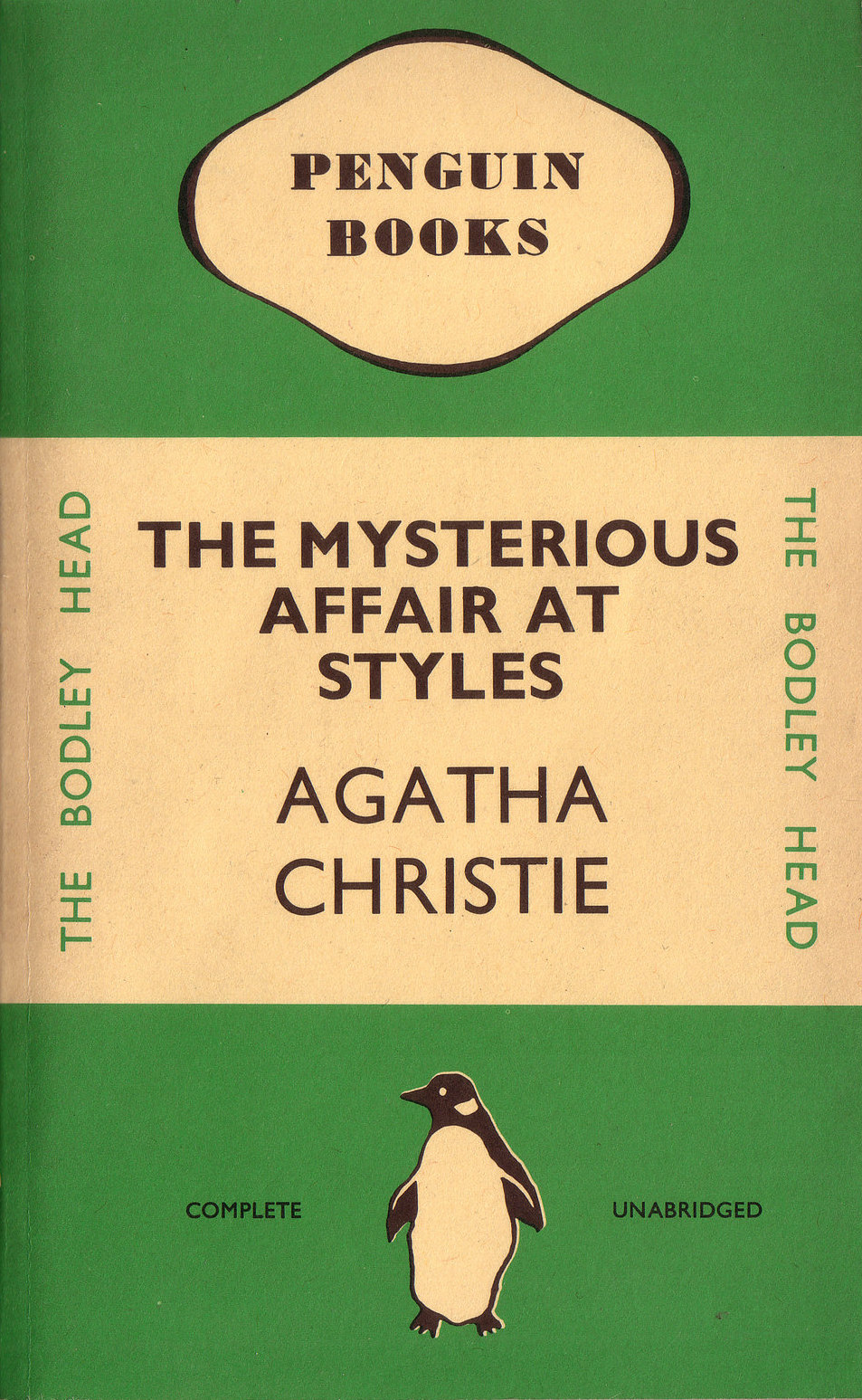
In the previous post I covered the first 4 of 8 elements of media history that I’ve found useful for teaching. Here are two more. If many very small publishers have survived into the twenty-first century (certainly helped by the internet and new digital printing technologies), nevertheless a distinguishing factor of the twentieth century, especially…More
History of the Book in the Twentieth Century Part 2 : Technology, Ownership, Regulation, Distribution
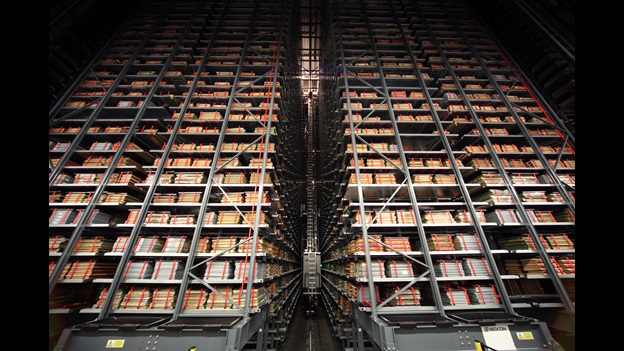
In the previous blog I promised to cover 8 routes through which print history and the twentieth century could be connected. Here are the first 4. First print technology, that which enables literature to transit from author to reader. In the 1950s printing machines whose designs dated from the 1850s were still in general use.…More
Literature in Transit: Histories of the Book in the Twentieth Century Book. Part 1 – Definitions
This month’s initial series of blogs will concern how we can think of changes in book publishing in the UK over the course of the twentieth century, inspired partly by how I was recently working on a piece on the history of publishing over the course of the nineteenth century, though I wrote the first…More

 Prof Andrew King