
One of the logos of BLT19 .co.uk 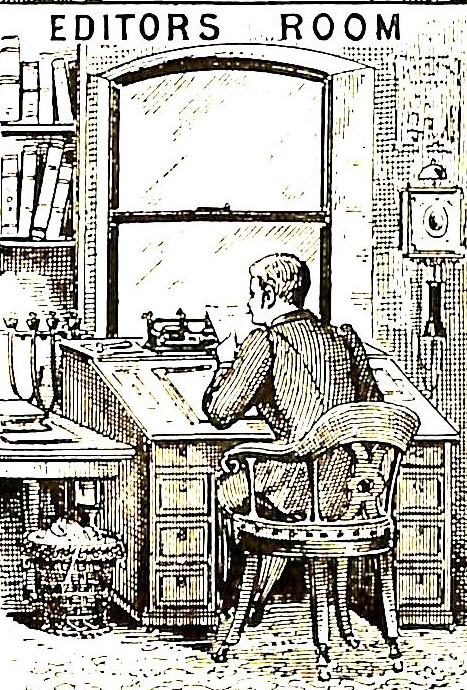
an editor’s work is never done 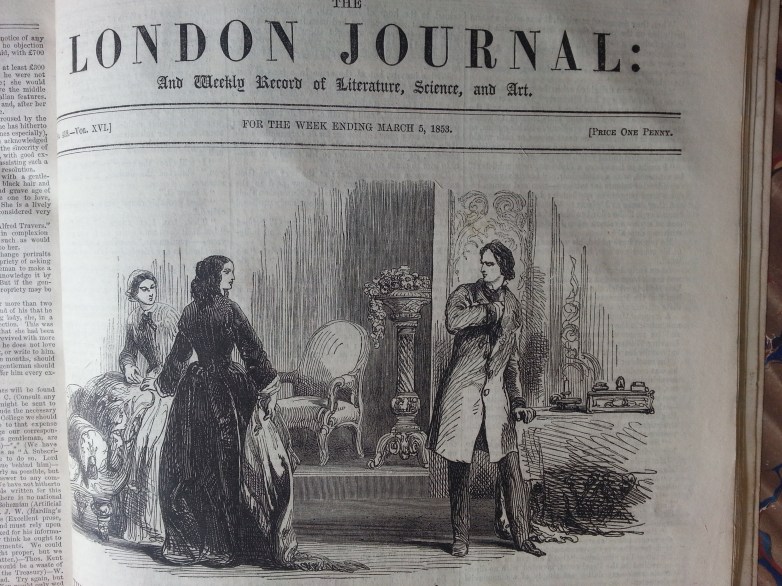
The London Journal 5 March 1853. Pleasure and passion in Victorian popular fiction 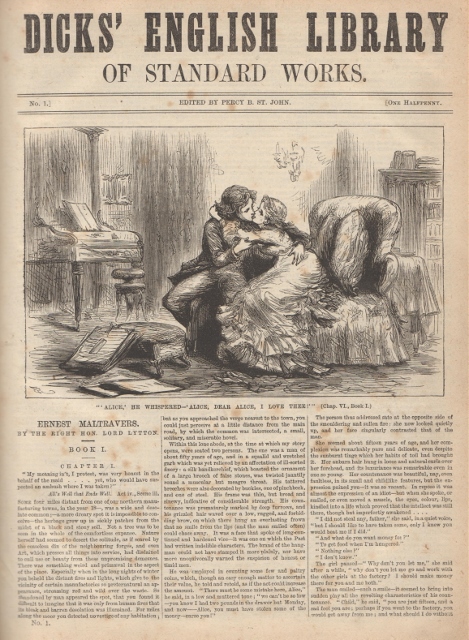
oh dear… Dicks English Standard Library no1 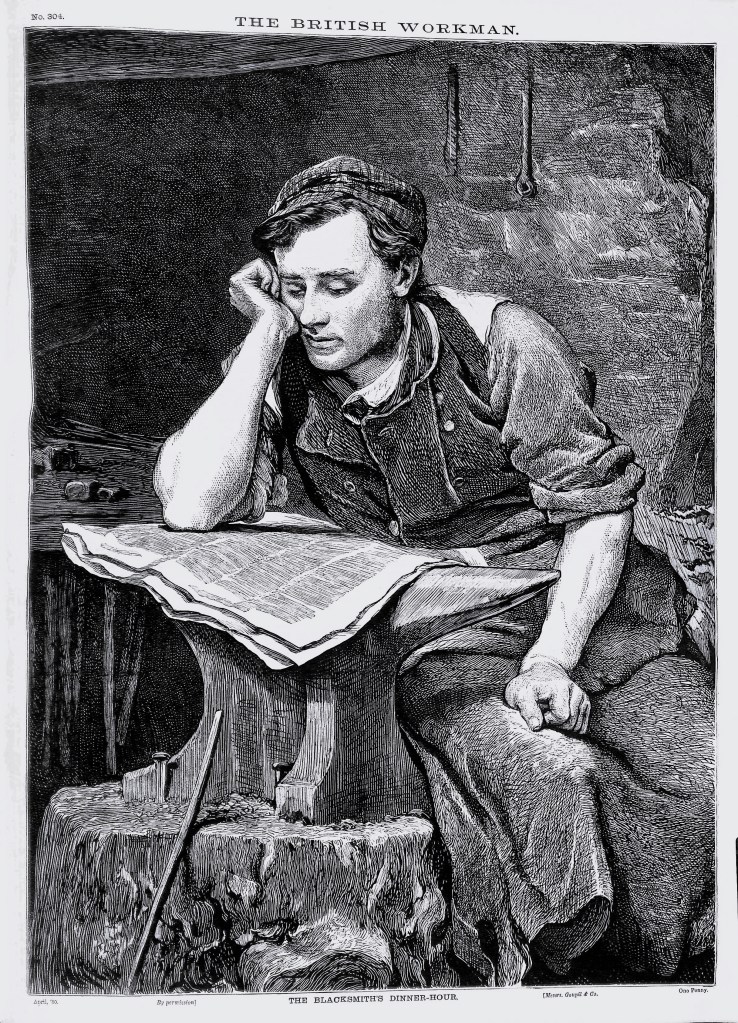
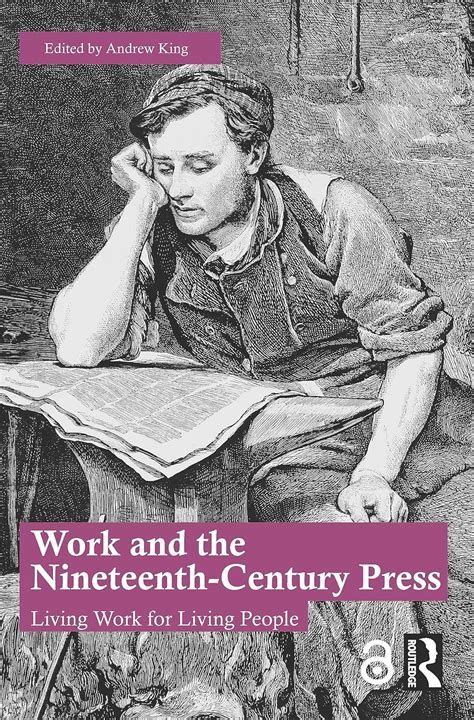
Much more respectable: the Blacksmith’s lunch hour – though it’s really called “The Nineteenth Century” 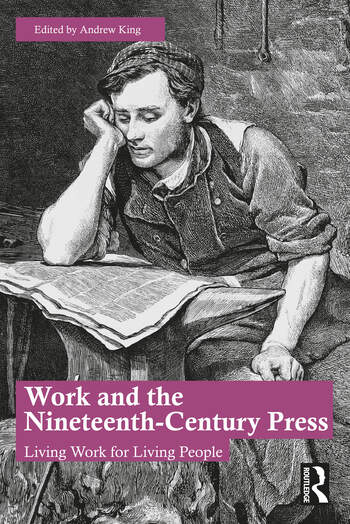
But it does raise questions about what “work” actually is. 
romantic Greenwich – my place of work 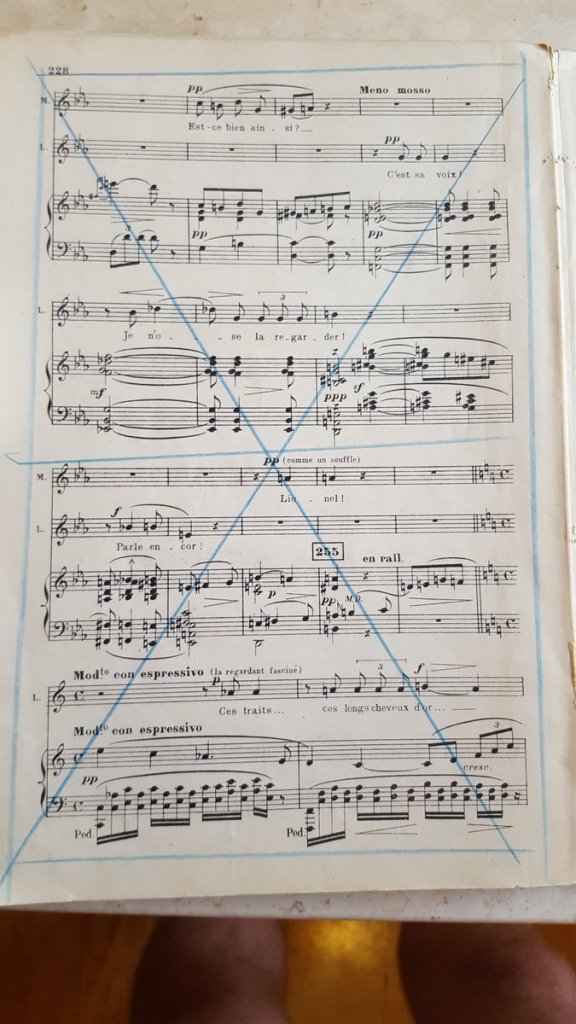
a deleted page from the original tenor’s performing score of Muguette (an operatic adaptation of one of Ouida’s novels) 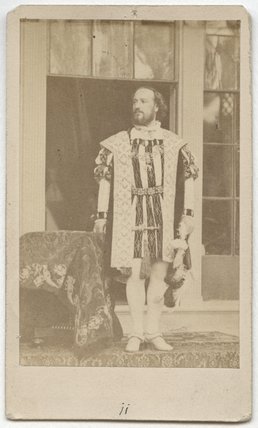
Mario in the role Ouida saw in in July 1871: Ferdinand in Donizetti’s *La Favorita* 
this takes me back … original contribution by school pupil for Crossing Cultures cover. (1998) 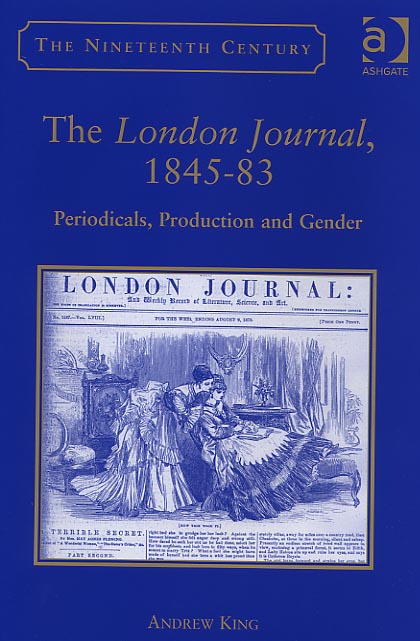
And then there was this (2004). 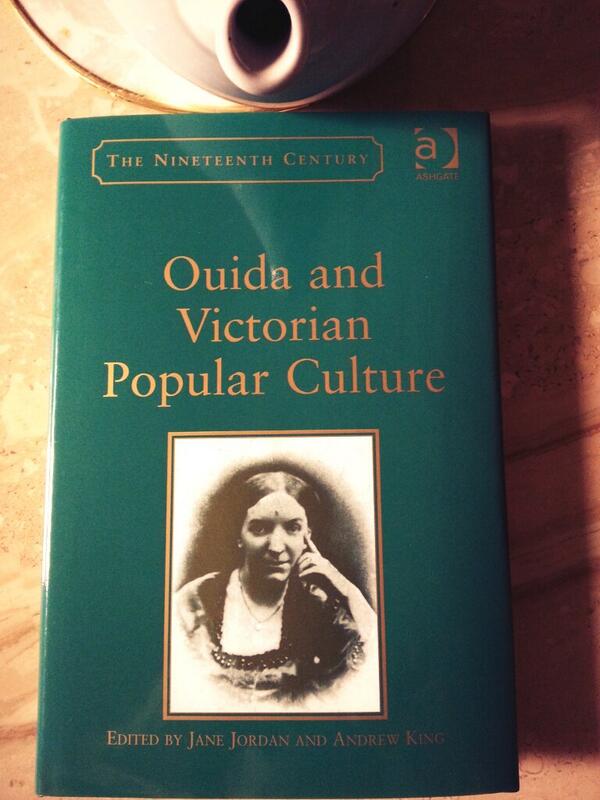
one of quite a few now… 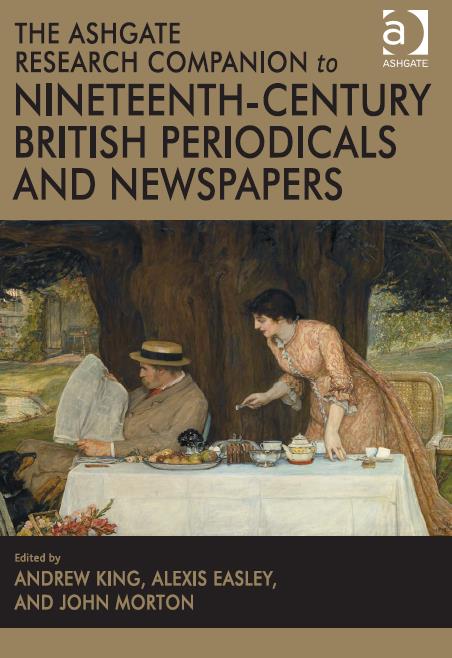
… another … 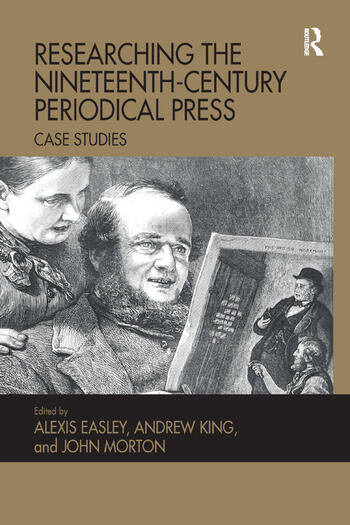
… and its sibling… 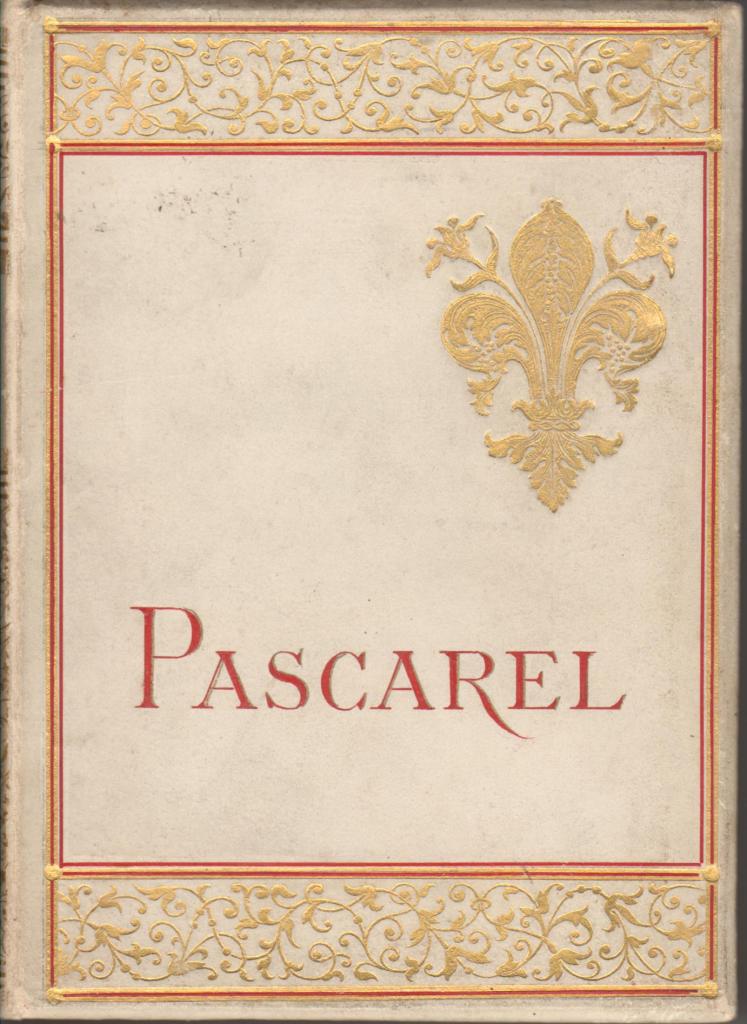
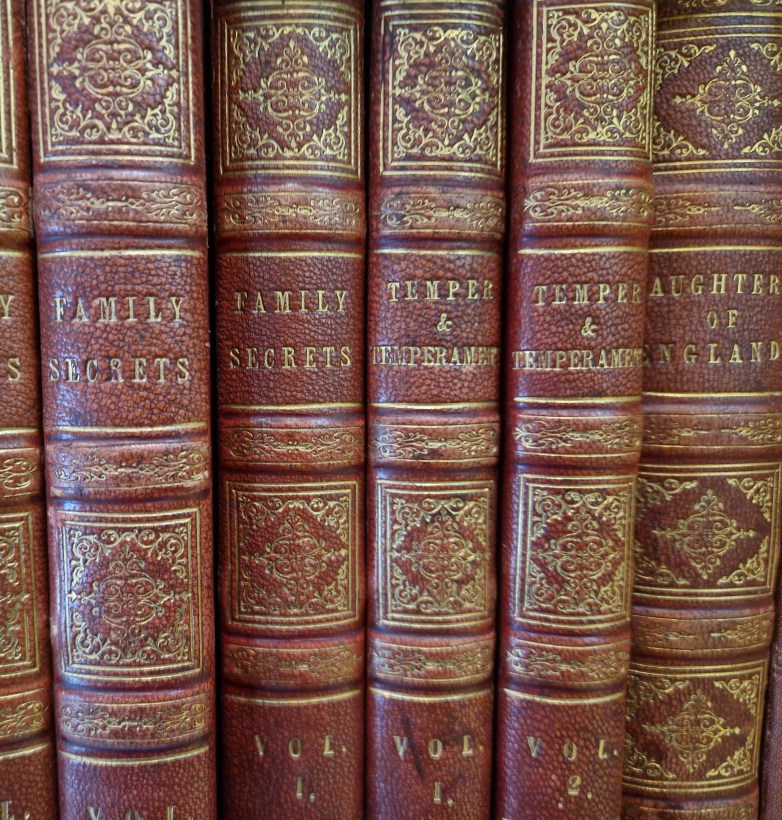
but none as gorgeous as this bound 1873 Tauchnitz edition of Ouida’s Pascarel 
Hello! I’m Andrew King, Professor Emeritus of English at the University of Greenwich and Research Fellow at the Institute of English Studies, School of Advanced Studies, University of London.
My research – mainly in the nineteenth century – lies at the intersection of literature, history, media studies and sociology. Blending traditional archival work with newer research methods and methodologies, I like to mark unexpected areas of cultural exchange between popular and élite, and across national and linguistic borders. My recent interests lie in media economics and in the history of the concept of work (for early drafts of chapters from a monograph on the history of the concept, see: https://www.blt19.co.uk/academic/the-story-of-work-1-introduction/), but I’m interested in – and ask questions about – a very wide variety of cultural phenomena, as this blog site suggests.
That said, the Big Project at the moment – to 2028 – is the Oxford Handbook to Victorian Popular Fictions, a huge undertaking comprising 59 x 8,000-word chapters and 55 contributors from 4 continents, edited with my colleague Fiona Snailham.
I’m committed to public access, including to pedagogic materials, and so I’ve made available a series of YouTube videos which offers a rigorous methodology for “reading like a detective.” So far there are videos on Edgar Allan Poe and Sherlock Holmes, Agatha Christie and Raymond Chandler, of course, but also on Maurice Leblanc’s Lupin (well known now in the Netflix series) and P.D. James’s Cordelia Grey. A blog post on Derrida’s Archive Fever and Kate Summerscale derived from the same course is available here.
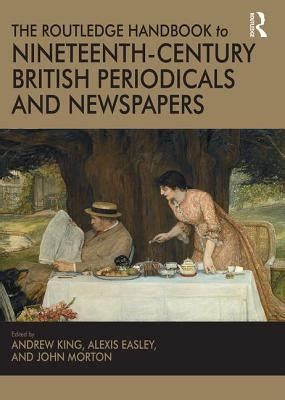
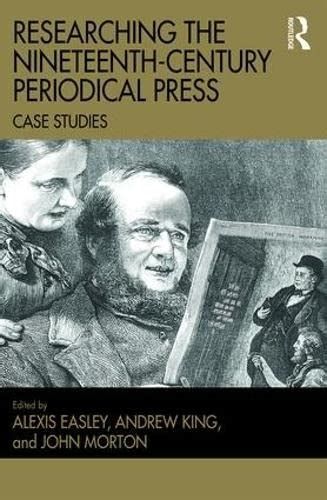
In my traditionally published research, though, I mainly stick to the nineteenth century. Besides my commitment to thinking about nineteenth-century popular culture, evident in my work on the VPFJ and for the VPFA, I’ve continued research on media history. I was the main editor and initiator of the Routledge Handbook to Nineteenth-Century British Periodicals and Newspapers (2016) with Alexis Easley (University of St Thomas) and my colleague at University of Greenwich, John Morton. To that volume I contributed a chapter on periodical economics – a far wider topic than merely attention to publishers’ accounts or mathematical equations through which “media economics” is often defined (I’ve continued work in that area – specifically on the transnational economics of the periodical – for a forthcoming volume). Researching the Nineteenth-Century Periodical Press: Case Studies (Routledge, 2017), a volume again edited by Alexis John and me, came out the following year. Both won the Colby prize for the book published during the preceding year that most advances our understanding of the nineteenth-century British press.
My latest book, Work and the Nineteenth-Century Press: Living Work for Living People (Routledge, 2022), derives originally from my work on the Dictionary of Nineteenth-Century Journalism when I uncovered the dearth of research on trade periodicals as mediated communications.
This crystalised in 2016 into BLT19. This is a digitisation project that, in the spirit of the periodicals it digitises, I want to show it is possible to deliver both academic and social value online for a very small pot of money indeed: refusing to equate financial investment with value per se, I want polemically to offer maximum return for minimum financial investment.
Finally, I want to say how very proud I am of my PhD students – they have all been (and my current ones still are) quite wonderful. But there’s always room for more! I’d welcome PhD applications in any of the following areas:
- Victorian popular fiction
- Victorian fiction
- Victorian periodicals
- Trade and professional periodicals
- Ecocritical humanities, with especially attention to the publishing industry
- Conceptions of work throughout the ages and across the world
My official webpages can be found at https://www.gre.ac.uk/people/rep/las/andrew-king and https://ies.sas.ac.uk/people/professor-andrew-kinghttps://ies.sas.ac.uk/people/professor-andrew-king.
BIBLIOGRAPHY
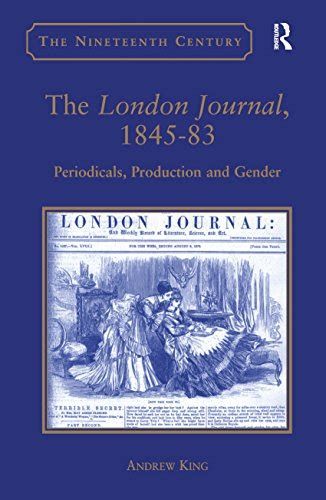
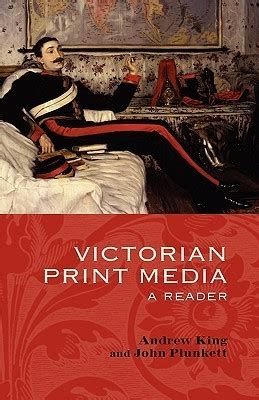
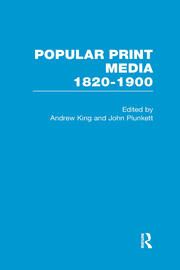
1736 Pages
Published May 27, 2004 by Routledge
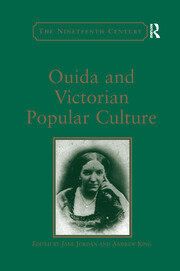
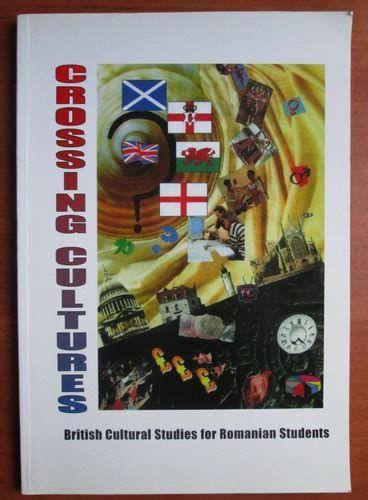
1998, a textbook published originally by the Romanian publisher Cavallioti for the British Council, reprinted several times, most recently in 2007: https://www.librarie.net/p/158170/crossing-cultures-british-cultural-studies-for-romanian-students

 Prof Andrew King